Home › Commercial Parking Lots and Drive Lanes
Provide customers and trucks with a reliable surface using a concrete parking lot in Longview, TX. We pour parking areas, drive lanes, and truck aprons built to handle heavy loads. Proper grading, thickness, and joint layout help your pavement perform for years.
Longview Concrete Pros provides professional concrete parking lot throughout Longview, TX, Texas and the surrounding area. Our licensed, insured crew delivers safe, clean, on-time work with a free estimate before anything begins. Call
(430) 703-2740 or request your free quote.
Concrete Parking Lots Built For Longview Businesses
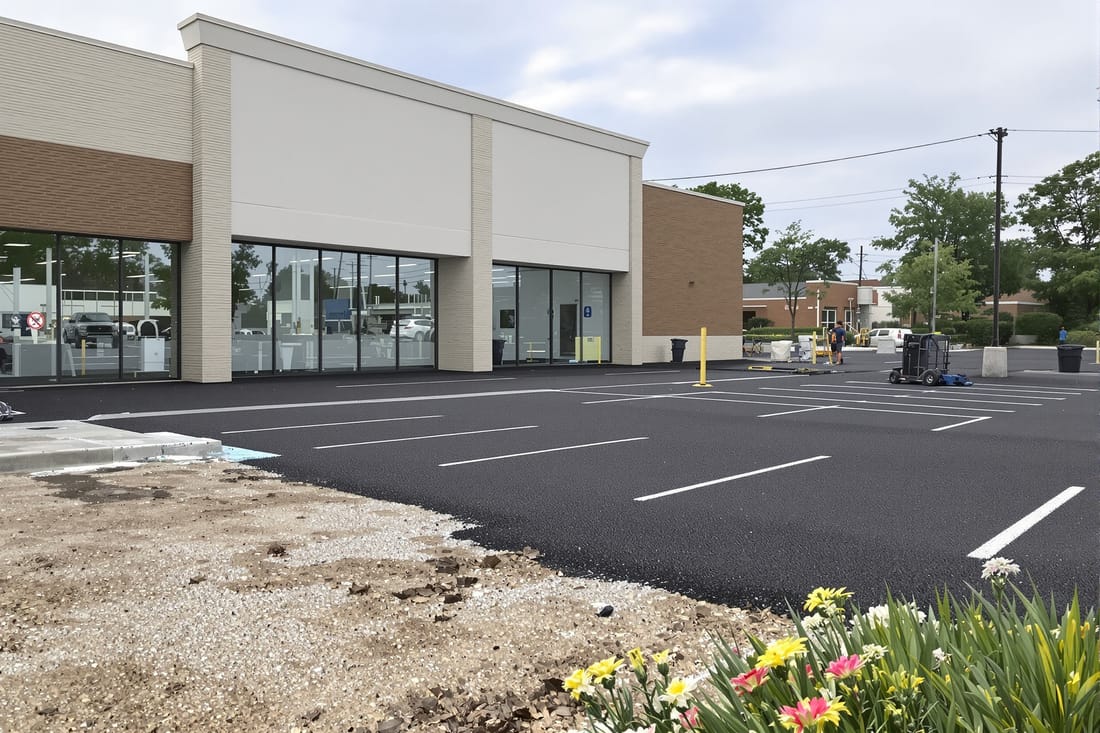
A concrete parking lot is usually the first part of your property that customers see, and in East Texas it also has to stand up to heat, heavy rain, and constant traffic. At Longview Concrete Pros, we design and build commercial parking lots and drive lanes that handle all of that without rutting, sinking, or turning into a patchwork of repairs.
We work with shopping centers, medical offices, churches, industrial facilities, restaurants, and small business owners throughout Longview and the surrounding communities. Whether you need a brand‑new concrete parking lot on a fresh site or you are replacing an old failing asphalt lot, we walk you through layout, drainage, traffic flow, and city requirements so you end up with a lot that is easy to use and easy to maintain.
Our team is local, so we understand the soil conditions around Longview, from the sandy areas closer to the Sabine River to heavy clay pockets in town. Those soils move when they get soaked in a spring thunderstorm, so the way we build your base, control joints, and thickness has to match your site, not a generic plan from somewhere up north.
How We Design Commercial Parking Lots and Drive Lanes
Good concrete parking lots start on paper. Before we ever schedule equipment, we meet you on site to measure, check slopes, and talk through how people will actually use the lot. For a restaurant or retail store, that might mean separate drive lanes for drive‑thru and main entry, plus clear pedestrian routes to the front door. For industrial clients, we look at truck paths, turning radiuses, and where heavy axle loads will be concentrated.
We determine pavement thickness based on expected traffic. Light duty parking for cars and pickups may use 4 to 5 inches of concrete on a well compacted base. Drive lanes, dumpster pads, fire lanes, and loading zones that see trash trucks or 18‑wheelers often need 6 to 8 inches or more. In Longview, this extra thickness is especially important in areas that stay damp since soft subgrade and heavy vehicles can cause pumping and cracking if the slab is underbuilt.
Drainage is a big factor in our designs. Our goal is to move water off the surface within minutes after a storm so you do not end up with standing water that damages the pavement and frustrates customers. We set practical slopes, usually 1 to 2 percent, and design surface drains or inlets where needed. We also think about where that water will go, so you are not flooding entrances or neighboring properties every time a summer storm rolls through.
We then review joint layout and reinforcement. Contraction joints are laid out in a grid pattern sized appropriately for the slab thickness, often in the 10 to 15 foot range, to control where cracks form. For heavy duty areas, we may recommend dowel bars or rebar to tie panels together and reduce vertical movement. Before work starts, we share the plan in plain language so you understand what is going into your project and why.
Our Step‑by‑Step Build Process On Your Longview Site
When you hire Longview Concrete Pros for a concrete parking lot, you know what is happening each day and why. We typically follow a clear sequence so there are no surprises.
1. Layout and excavation. We mark the limits of the parking lot and drive lanes, then remove existing pavement or topsoil to the required depth. If we find soft or saturated spots, we undercut and replace them so your new lot does not start out with weak areas.
2. Subgrade prep and base installation. We grade and compact the native soil first. In most Longview projects we install a compacted base layer, usually crushed limestone or similar material, in the 4 to 8 inch range depending on loading. This base is tested visually and mechanically for firmness. If heavy trucks are expected, we pay particular attention to the base under drive lanes and loading paths.
3. Forms, edges, and reinforcement. We set forms along the perimeter, establish final elevations, and install any edge drains or sleeves for light poles and utilities. If your design calls for rebar or welded wire fabric, it is placed and supported so it stays in the correct position during the pour.
4. Concrete placement and finishing. We typically use 4,000 psi or higher concrete mixes suited to our climate, often with air entrainment and low water ratios to reduce shrinkage and improve durability. We pour in planned sections so we can control finishing quality. The surface is struck off, then finished to a light broom texture that provides traction even when wet. We avoid overworking the surface, which can lead to scaling and early deterioration.
5. Joints, curing, and striping. Control joints are cut or tooled at the right spacing and depth, usually within 6 to 24 hours depending on temperature, so cracks form where they are supposed to. We apply curing methods that match the season, such as curing compound or wet curing, to help the concrete reach its full strength. Once the slab has gained adequate strength, we arrange striping and signage so the lot can safely open to traffic.
We schedule pours to match East Texas weather patterns. Spring and fall are often the best times for large parking lot projects, but we also successfully pour in summer by adjusting start times, mix designs, and curing methods to handle the heat and humidity.
Cost Factors, Timelines, and What Affects Your Investment
Concrete parking lots are an investment, and understanding what drives the price can help you budget and compare bids fairly. At Longview Concrete Pros we walk you through each major factor so you know exactly what you are paying for.
The biggest cost drivers are size, thickness, and traffic type. A light duty lot for a small office with 4 inch pavement will cost less per square foot than a truck‑rated slab at 7 or 8 inches. Drive lanes, dumpster pads, and loading docks almost always bump up the cost because they need thicker concrete and sometimes additional reinforcement to handle repeated heavy loads.
Site conditions also matter. If your property in Longview has poor access, a lot of existing asphalt to remove, or areas with soft wet subgrade, we may need more excavation, base material, or stabilization. That can add cost but it is usually cheaper than dealing with early failure and costly repairs a few years down the road.
Features like drainage structures, curb and gutter, lighting foundations, and ADA compliant ramps will also influence the total price and schedule. In some parts of Longview, city standards require specific thicknesses, fire lane markings, and access details that we incorporate into the estimate so there are no surprises during inspection.
As for timeline, small commercial parking lots may be completed and ready for striping within 5 to 7 working days, not including curing time before full traffic. Larger centers or phased projects, especially where you must keep part of the lot open for customers, can stretch to several weeks. We often stage work in sections so your business can continue operating while we rebuild the lot.
If you are comparing quotes, look for details about thickness, base depth, reinforcement, and jointing. A low price that hides thinner sections or minimal base material can cost more over the long term. We are always happy to review competitor proposals and explain where the real differences are so you can make an informed decision.
Preventing and Fixing Problems in Concrete Parking Lots
Concrete parking lots in Longview face some common issues: cracking, surface wear at entrances, settlement near downspouts or low spots, and damage from heavy trucks. The goal is not to pretend cracks will never happen, but to control where they form and keep the lot functional and safe for decades.
We design control joint patterns to match the slab size and thickness so most cracking happens in those planned joints. For heavy traffic drive lanes and dumpster pads, we may use doweled joints to keep panels level and reduce edge spalling where truck tires cross. Proper compaction of the base and subgrade is critical to avoid settlement and potholes, especially near entrances where vehicles are braking and turning.
Seasonal movement is another consideration. East Texas clay expands when wet and shrinks when dry. We mitigate this by removing unstable soils where needed, using a quality base, and avoiding extremely thin slabs near the edges. Good drainage away from the pavement reduces how much that subgrade swells and shrinks under your lot.
If you already have a failing concrete parking lot, we can help you decide between full replacement and targeted repairs. Options might include sawcut and replace panels in localized failure areas, adding thicker concrete in truck loading paths, grinding or patching trip hazards, or full depth reconstruction with improved base and drainage. For some clients we also plan phased replacement so you can keep operating while older sections are removed and rebuilt.
To extend the life of a new lot, we recommend periodic inspections, timely sealing of joints if specified, and quick repair of any oil‑softened areas or drainage problems. Longview Concrete Pros can set up a simple maintenance plan that fits your property size and budget so your concrete parking lot and drive lanes stay safe, attractive, and structurally sound for as long as possible.