Home › Concrete Steps and Stoops
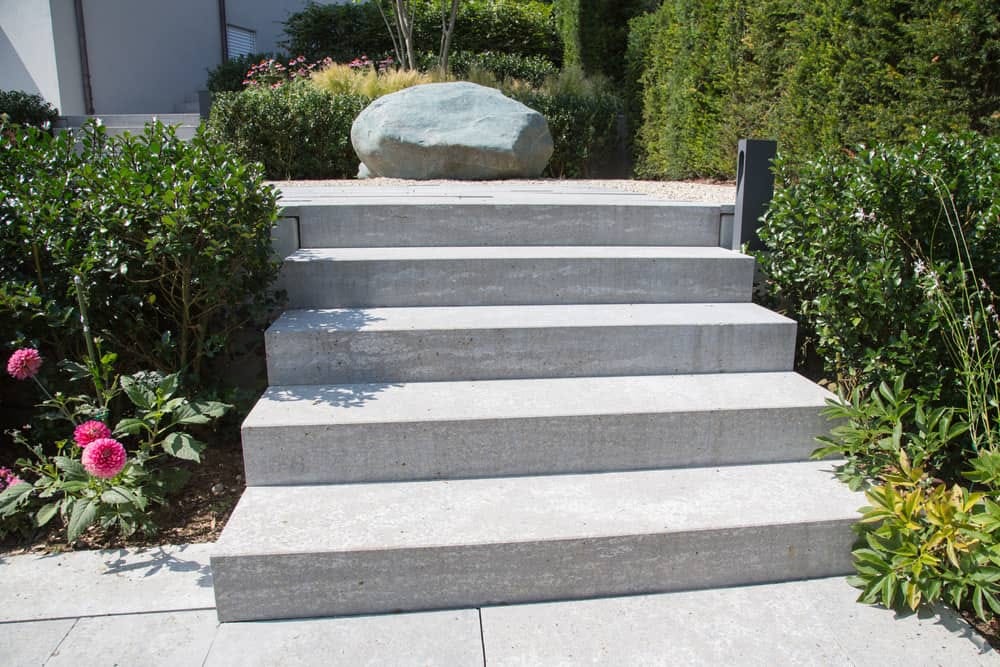
Improve safety and curb appeal with custom concrete steps in Longview, TX. We build new stoops, porch steps, and entry stairs with proper riser heights and slip resistant finishes. Replace old, crumbling concrete with secure, long lasting front steps.
Longview Concrete Pros provides professional concrete steps throughout Longview, TX, Texas and the surrounding area. Our licensed, insured crew delivers safe, clean, on-time work with a free estimate before anything begins. Call
(430) 703-2740 or request your free quote.
Concrete Steps and Stoops in Longview, Built to Last
When you hire Longview Concrete Pros for concrete steps and stoops in Longview, you get a crew that treats every entrance like a small structural project, not just a cosmetic pour. We start by looking at how you actually use the entry: how many people come through daily, kids or elderly family members who need safer, wider treads, and how rainwater moves across your yard and toward your foundation.
We measure the rise from ground to threshold, then convert that into safe, code appropriate riser heights and tread depths. In most Longview homes this ends up around 6 to 7 inch risers with 11 to 12 inch treads, but we can adjust for accessibility or special needs. If you have existing wooden steps, we check how the framing is tied into the house and whether there is any rot or termite damage that must be addressed before the concrete work.
For stoops and small porches, we look at where water tends to pool during our heavy East Texas rains. We plan a slight slope away from the house, typically about 1/8 inch per foot, so water drains off the stoop instead of toward your door, sill, or brick ledge. This helps prevent long term moisture problems that are common around older homes in Longview.
Our Installation Process, Step by Step
Proper concrete steps are essentially short, carefully formed retaining walls with walking surfaces. Longview Concrete Pros follows a clear process so they do not crack, settle, or pull away from your house.
First, we mark out the footprint and excavate to a depth that gets below organic topsoil and into compactable material. For most residential steps in Longview, we dig 6 to 12 inches, deeper if the soil is soft or disturbed from previous work. We remove roots, loose fill, and any old broken concrete that will undermine the new pour.
Next, we place and compact a base of crushed limestone or road base. This gives the steps a firm, even platform that drains. On taller stoops or for entries that tie into a front porch, we install a thicker footing under the first riser to support the weight and resist movement.
We then build forms for each step and the stoop face. This includes exact riser heights, tread depths, and any side walls or return corners. We take time here, because sloppy forming is the main reason you see uneven, crooked steps around town. Once forms are in place, we install rebar or wire mesh, tying it into existing slabs or foundations when needed so the steps move with the house instead of separating from it.
Only after this prep is done do we pour the concrete. We usually use a 3,000 to 4,000 psi mix for residential steps, sometimes with air entrainment if the area is exposed to frequent wet and dry cycles. We vibrate and rod the concrete into corners so there are no voids inside the risers, then screed and trowel to create consistent treads. Finally, we apply a broom finish for traction and cut control joints where needed to manage minor cracking.
Design Options for Concrete Steps and Stoops
Concrete steps do not all have to look the same gray and plain. Longview Concrete Pros offers different ways to tune the look and function of your entry, while keeping things practical for local weather and red clay soil.
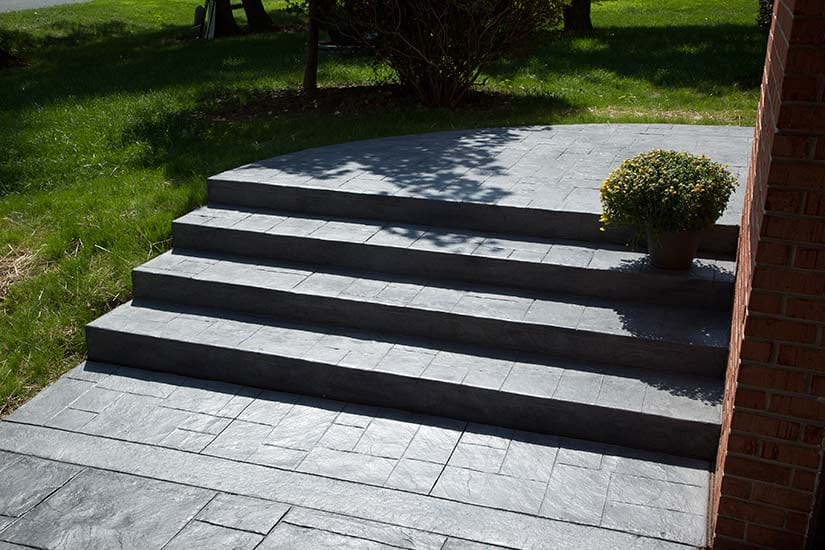
You can choose standard broom finished concrete for maximum slip resistance, or we can lightly expose the aggregate for more texture. If you want something closer to stone without the cost of full masonry, we can stamp the stoop and treads with patterns that mimic slate, ashlar, or even wood planks, then apply integral color or stain. For busy entries that see heavy foot traffic, we often recommend keeping the treads as a simple broom finish and reserving decorative finishes for the riser faces and sidewalls.
We also plan for railings and handgrips from the start. If you know you want metal handrails, we set the anchor points while forming or immediately after finishing, so any posts are solidly anchored in the concrete instead of glued into shallow drilled holes later. For wider stoops, we can build extended side wings that serve as seating areas or planter bases.
On homes around Longview with brick or stone veneers, we pay attention to how the concrete stoop lines up with existing materials. We can pour flush with the brick ledge, leave a gap for flexible sealant, or design overhangs and nosings that visually break up the concrete mass so it looks like it belongs with the rest of the façade instead of an afterthought.
Local Codes, Permits, and Safety Considerations
In Longview and the surrounding Gregg County area, there are practical code and safety items that impact how we build concrete steps and stoops. Longview Concrete Pros is familiar with the common requirements and the way local inspectors interpret them.
Most permanent front entries and large stoops must meet residential building code for riser height, tread depth, and guardrail needs if the height above grade is beyond a certain threshold. If a permit is required for larger projects, we help you understand what the city may ask for and what parts of the property they will check. Many smaller replacement steps at a back door or garage entrance do not need full permitting, but they still need to be safe and functional.
If you live in an HOA neighborhood around Longview, there may be restrictions on front entry changes, including color, shape, and rail style. We ask about your HOA guidelines upfront and, if you provide a copy, we can suggest step and stoop designs that will avoid conflicts during review.
Safety is central in our planning. We recommend handrails when the total rise is more than a couple of steps, even if not strictly required by code, especially for older homeowners. We also focus on slip resistance. High gloss sealers are not a good match for outdoor treads in our climate, especially when pollen or algae can build up, so we use penetrating sealers or matte finishes that protect the concrete without making it slick.
What Affects the Cost of Concrete Steps
Customers often ask why concrete step pricing varies from one house to another. Longview Concrete Pros explains pricing clearly so you know what you are paying for and where you can make smart choices.
Size and height are the starting points. A simple two step entrance is far less labor and material than a tall stoop with five or six steps and sidewalls. The more risers, the more forming, rebar, and finish work involved. Access matters too. A backyard entry that requires wheelbarrowing concrete around the house or pumping from the street will cost more than a front entry we can reach directly with a truck chute.
Demolition and removal can be a significant factor. Breaking up and hauling off old concrete, brick, or heavy wood framing is time consuming and must be disposed of correctly. Homes in older Longview neighborhoods may have poorly supported or partially failed steps that require extra digging and stabilization before we build anything new.
Soil and drainage conditions count as well. If we find soft, saturated, or previously backfilled soil near the foundation, we may need a thicker base, extra compaction, or wider footings so your new steps do not settle or tilt. Decorative options like stamping, coloring, or custom nosings add cost, but we can mix and match, for example, plain treads with decorative risers, to keep the budget under control.
Before work starts, we give you a written estimate that breaks down key items. If there are potential unknowns, such as what is under an old stoop, we explain those clearly so you are not surprised later.
How to Prepare and What to Expect During the Job
You can make the job smoother and faster by doing a few things before our crew arrives. Clear the work area of potted plants, furniture, grills, and decorations near the door. If there are sprinkler heads, low voltage lighting, or buried lines near the old steps, let us know. We can help identify and protect them, but information upfront prevents accidental damage.
On pour day, concrete trucks need a clear path. We coordinate with you on parking so we can get as close as possible without stressing your driveway or lawn more than necessary. For tight sites, we may use smaller loads or a concrete buggy to reduce rutting in wet soil.
Once the concrete is placed, it needs time to cure. You can usually walk gently on the new steps after about 24 hours, but we recommend keeping heavy loads and furniture off for several days. In hot Longview summers, we may use curing compounds, surface misting, or coverings to slow down moisture loss. This reduces shrinkage cracks and improves long term strength.
Long term, maintenance is simple. Keeping the steps clean, clearing leaves and mud, and avoiding harsh deicing chemicals (which are rarely needed here anyway) will help the concrete last for decades. If you notice hairline cracks, which can occur in any concrete, we can seal or fill them before they grow. If you plan to add railings or storm doors later, let us know so we can install the right anchors or blocking while we build the steps.