Home › Concrete Steps and Stoops
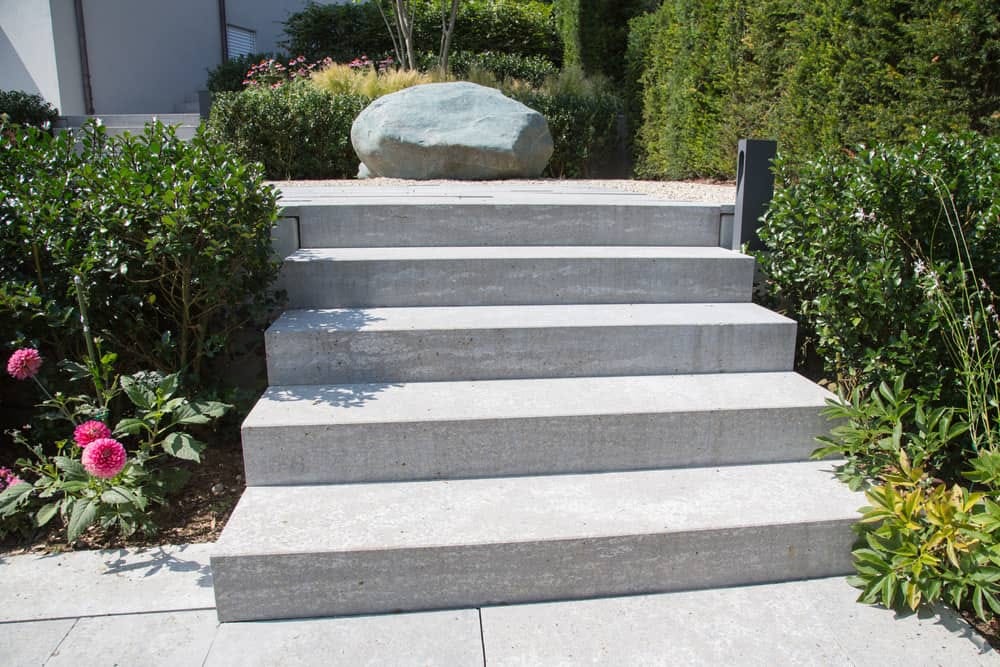
Improve safety and curb appeal with new concrete steps in Longview, TX from Longview Concrete Pros. We replace crumbling stoops and build custom front entry steps with the right rise, run, and handrail options. Our concrete stoops are reinforced, slip resistant, and shaped to match your home and walkway.
Longview Concrete Pros provides professional concrete steps throughout Longview, TX, Texas and the surrounding area. Our licensed, insured crew delivers safe, clean, on-time work with a free estimate before anything begins. Call
(430) 703-2740 or request your free quote.
Durable Concrete Steps and Stoops for Longview Homes and Businesses
Concrete steps are not just a way to get from the driveway to the front door. They affect safety, curb appeal, drainage, and even resale value. Longview Concrete Pros builds and repairs concrete steps and stoops that are sized correctly, drain properly, and hold up to East Texas weather.
We work on front porch steps, small backyard stoops, side entrances, garage transitions, and commercial entry steps. Whether you need a simple two-step entry from your sidewalk or a wider set of steps with a landing for a porch, we design the layout around how you actually use the space. We also pay close attention to code requirements for riser height and tread depth so your steps are comfortable to use and pass inspection when required.
In Longview, sun, sudden heavy rain, and shifting clay soils are common. Our crews build each set of concrete steps with those conditions in mind. That means proper base prep, reinforcement, control joints, and careful finishing. The result is a set of steps that does not settle unevenly after the first big storm or start breaking up after a couple of summers.
How We Build Concrete Steps and Stoops in Longview
A good set of concrete steps starts with layout and excavation, not just pouring concrete. Longview Concrete Pros begins by checking elevations so the top step lines up with your door threshold and the bottom step meets your sidewalk, driveway, or yard grade without creating a tripping edge or water pocket.
We excavate down to solid soil, typically 6 to 8 inches below the planned bottom of the steps for residential work, more for heavier commercial entries. We remove soft topsoil and roots, then compact the subgrade. On most Longview properties, we add a compacted base of crushed stone or road base to help with drainage and reduce movement in our clay-heavy soils.
We build sturdy forms from lumber or form panels, carefully setting the rise and run for each step so they are uniform. Typical residential steps use 7 to 7.5 inch risers and 11 to 12 inch treads. We tie in rebar or wire mesh, especially for stoops and landings, and often drill dowels into existing slabs or foundations to lock the new work in place.
Once the reinforcement is placed, we pour a concrete mix suitable for exterior steps. We generally use a 3,500 to 4,000 psi mix with air entrainment for freeze-thaw resistance when needed. Our crew places, vibrates, screeds, and then hand finishes the concrete. For most steps we recommend a broom finish on treads so they are not slick when wet. Edges are tooled, and we cut or tool control joints where needed to manage cracking.
After finishing, we cure the concrete properly. Depending on weather, that may mean using curing compound or keeping the surface damp and protected for several days. We advise homeowners to keep off new steps for at least 24 to 48 hours for light foot traffic, and longer if heavy use is expected.
Design Options: Shape, Finish, and Add-Ons
Not every set of concrete steps has to look like a plain gray block. Longview Concrete Pros can keep it simple or add design touches that fit your home and neighborhood.
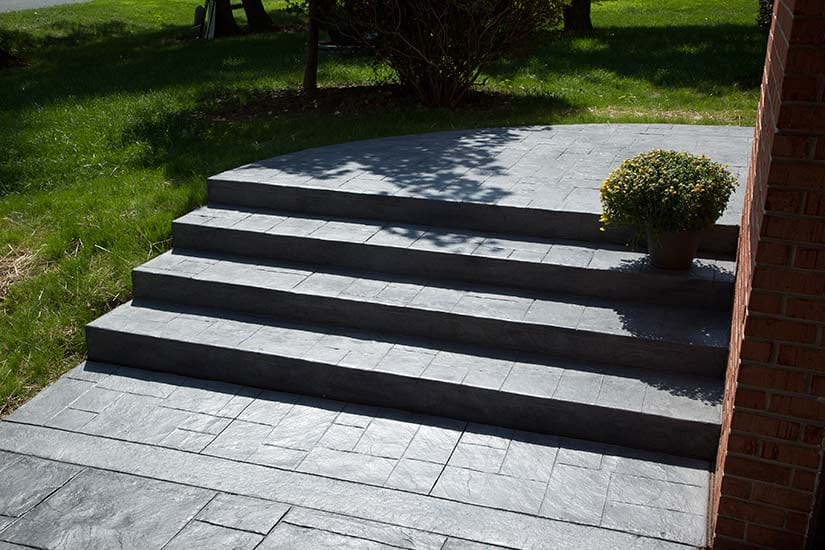
Shape and layout options include straight steps, L-shaped steps around a corner, or steps that fan out or flare at the bottom for a wider entry. Where space allows, we often suggest a small landing or stoop at the door. This makes entry safer and more comfortable, especially if you carry groceries or have small children using the steps.
For finishes, basic broomed concrete is the most common and budget friendly. For customers who want something more decorative, we can add integral color to the mix, stain the surface after curing, or use stamped concrete on the stoop or landing while keeping stair treads broomed for traction. Exposed aggregate is another option that gives a textured, slip resistant surface and a higher end look.
We can coordinate the steps with your existing walkways, driveway, or porch. For example, if you already have a stamped concrete patio, we can echo that pattern on the stoop and keep the stair treads simple for safety. We also install nosing details, beveled front edges, and bullnose profiles if desired.
Add-ons include concrete or masonry side walls, prep for metal handrail posts, and small integrated planters alongside larger stoops. When railings are required by code or HOA rules, we set embedded sleeves or post anchors during the pour so the railing has a solid connection later instead of relying on surface anchors that can loosen.
Local Codes, Permits, and HOA Considerations in Longview
In the Longview area, not every small set of concrete steps needs a permit, but some situations do. Longview Concrete Pros helps you figure out what applies to your project so you do not run into trouble after the work is done.
If your new concrete steps involve changing the footprint of your porch or stoop, significantly altering grades, or building commercial entry steps that serve the public, permits and inspections are more likely. We can coordinate with the City of Longview Development Services or work with your general contractor or builder so the work meets local code and any required inspections are scheduled.
Residential steps must generally follow the International Residential Code guidelines adopted by the city, which cover maximum riser height, minimum tread depth, and requirements for handrails and guardrails once you reach a certain height above grade. We design your steps with those dimensions from the start so there are no surprises.
If you are in a subdivision with an HOA, you may have requirements for color, railing style, or the way front entries look from the street. We have worked in neighborhoods around Longview, Hallsville, and White Oak where the HOA wants concrete steps to match existing brick or stone. In these cases, we may pour a structural concrete stoop and steps, then coordinate with a mason to add brick or stone facing later.
Before we start, we review access for trucks, formwork space, and drainage patterns. Sometimes raising or enlarging a stoop will push water toward the house if it is not planned correctly. We adjust step heights or add small slopes and drains so that water flows away from the foundation and does not collect against your siding or brick.
What Affects the Cost of Concrete Steps and Stoops
Customers in Longview often ask why two sets of concrete steps that look similar can have different prices. The cost is driven mostly by size, height, access, and finish choices.
A simple two or three step entry with a small stoop, good truck access, and a basic broom finish will be at the lower end of the price range. Projects become more expensive when they involve taller steps, deeper excavation, removal of old concrete or brick, or difficult access where concrete must be wheelbarrowed or pumped.
Adding decorative touches affects cost as well. Integral color, stamping, exposed aggregate, or custom edging require more time and materials. Built-in side walls, wraparound landings, or coordination with brick or stone facing also increase the labor involved. If we need to drill and epoxy dowels into a foundation or existing slab for structural tying, that labor is factored into the estimate.
Soil conditions and drainage issues matter too. In some parts of Longview and Gregg County, we run into unstable fill dirt or existing settlement problems. In those cases we may need a thicker base, additional reinforcement, or small piers or piers-on-pads to support a heavier stoop. These steps add to the cost but help prevent the front entry from dropping or tilting in a few years.
When Longview Concrete Pros gives you a quote, it breaks down demolition (if any), base prep, forming, reinforcement, concrete, finishing, and sealing or curing. We explain where you can save money, such as choosing a simple finish, and where you should not cut corners, such as reinforcement or proper base preparation.
Repairs, Replacement, and Safety Upgrades for Existing Steps
Not every set of aging concrete steps in Longview has to be torn out. Sometimes we can repair or resurface what you already have. Other times replacement is the safer choice. We walk you through both options.
For minor issues like small surface spalling, hairline cracks, or flaking from old sealer, we can clean and patch the surface, then apply a concrete resurfacer or overlay. If the underlying steps are structurally sound and not moving, this can give you several more years of use and a cleaner look.
If your steps have settled on one side, pulled away from the house, or the riser heights are no longer uniform, we look at the base and surrounding soil. Slight settlement may be addressed with patching and small concrete adjustments. However, if the steps are sinking several inches or the stoop has separated from the house, full removal and replacement is usually the right approach.
Safety upgrades are common requests. We can add thin overlay treads with better traction to older smooth concrete, adjust or rebuild steps to make all risers and treads consistent, or pour new landings that provide level standing space at the door. During replacement, we can also prep for new railings or modify layouts to reduce the total number of steps by reworking grades when possible.
Longview Concrete Pros is straightforward about whether repair or replacement makes more long term sense. Our goal is to give you steps and stoops that are safe to walk on, look appropriate for your home, and hold up under Longview traffic, weather, and soil movement.